Recognizing the adoption of sustainable materials in landscape construction is important for developing green, long-lasting, and aesthetically pleasing outdoor spaces. As green building practices advance, using sustainable resources not only helps the environment but also improves water conservation, energy efficiency, and biodiversity. This article investigates the various sustainable materials commonly used in landscaping, their environmental pros, practical applications, and how landscape professionals can integrate these elements for a greener future.
Which Kind of Sustainable Materials Are Typically Used in Landscape Construction?
Sustainable materials in landscape construction include a diverse selection of options that reduce environmental impact while maintaining functionality and aesthetic appeal. Typically employed materials feature recycled materials, reclaimed wood, natural stone, recycled plastic lumber, biodegradable fabrics, bio-based polymers, and organic mulch.
Natural materials like stone and reclaimed wood deliver durability and timeless beauty with minimal processing, often needing less energy than synthetic alternatives. On the other hand, recycled materials such as recycled plastic lumber and permeable pavers made from recycled plastics help with waste reduction and decrease reliance on virgin resources.
- Reclaimed Wood Decking: Salvaged wood recycled for decks and structures curbs deforestation and brings rustic charm. Permeable Pavers: Made from recycled plastics, these pavers allow water infiltration, limiting runoff. Organic Mulch: Derived from compost or natural plant matter, it enriches soil and encourages moisture retention. Biodegradable Fabrics: Employed for erosion control and soil stabilization, these fabrics decompose naturally over time.
Each type of material brings unique benefits, whether it’s enhancing carbon sequestration, enhancing soil health, or encouraging habitat restoration through eco-conscious plant selection.
In What Ways Do Sustainable Materials Support Environmental Benefits in Landscaping?
The employment of sustainable materials in landscape construction greatly reduces the carbon footprint of projects and supports climate resilience. Organic mulch and natural fertilizers enhance soil structure and aid carbon sequestration by increasing microbial activity and organic content.
Moreover, geotextiles and biodegradable fabrics support control erosion and reinforce soil in vulnerable areas, stopping sediment runoff that can damage water bodies. Incorporating native plants and planning habitat corridors boosts biodiversity by supplying food and shelter for local wildlife.
- Lowering of greenhouse gas emissions through sustainable sourcing and material reuse.Augmented soil health via compost soil and organic mulch applications, improving moisture retention.Erosion control and soil stabilization using native grasses, geotextiles, and windbreaks.Promotion for habitat restoration initiatives promoting native wildlife through plant selection and urban forestry.
These environmental benefits jointly result in stronger landscapes that can resisting climate change impacts.
What Are the Practical Applications of Sustainable Materials in Different Landscape Features?
Sustainable materials are used across diverse hardscape and softscape elements to maximize ecological and functional benefits. In hardscaping, Ridgeline Outdoor Living LLC permeable pavers allow natural drainage by enabling rainwater to absorb into the ground rather than flowing off impervious surfaces.
Modular decking systems constructed with recycled plastic lumber deliver durable, low-maintenance alternatives to traditional wood decks hardscaping resources while saving resources. Softscape designs often focus on xeriscaping principles, employing drought-tolerant native plants to minimize irrigation needs.
- Rain Gardens: Use native plants and biofiltration media to retain and filter stormwater, recovering nutrients and boosting groundwater quality. Living Walls and Green Roofs: Such innovative installations increase thermal mass, boost air quality, and contribute to urban heat island mitigation. Upcycled Décor: Decorative features made from reclaimed or recycled materials bring character and reduce waste. Xeriscaping: Incorporates native, drought-resistant species to save water and support landscape vitality during dry periods.
Such applications show how sustainable materials can be creatively integrated into different landscaping components for both form and function.
Why Does Sustainable Material Use Promote Water Conservation and Energy Efficiency?
Incorporating sustainable materials strengthens water conservation initiatives through better soil water retention and optimized irrigation methods. Organic mulches and compost soils hold moisture and reduce evaporation, limiting the occurrence of watering to be done.
Sustainable irrigation systems together with graywater reuse also minimize potable water consumption by processing household wastewater for landscape irrigation. On the energy front, solar-powered landscape lighting and energy-efficient LED fixtures minimize electricity usage while providing safety and ambiance.
- Employing compost soil and organic mulch to boost soil moisture retention, decreasing irrigation demand.Implementation of sustainable irrigation systems and graywater systems to boost water reuse.Deployment of solar lighting and LED fixtures to cut energy consumption.Overall reduction in landscape maintenance water and power requirements.
These combined approaches greatly reduce the environmental footprint associated with landscape upkeep while enhancing efficiency.
How Important Is Sustainable Sourcing Take in Landscape Construction?
Sustainable sourcing is critical to guaranteeing that materials used in landscape construction originate from renewable resources and responsible suppliers. This approach cuts lifecycle carbon emissions and promotes ethical harvesting practices.
Many landscape materials possess certifications that validate their sustainability claims, such as green certification programs emphasizing environmental stewardship. Choosing eco-conscious design integrates these principles by favoring products with minimal environmental impact and promoting circular economy concepts like reuse and recycling.
- Choosing materials harvested from renewable resources like sustainably managed forests.Confirmation through certifications that confirm material origins and environmental standards.Decreasing of carbon footprints by favoring locally sourced or recycled components.Improving project credibility and environmental responsibility through transparent sourcing.
By incorporating green sourcing into landscape construction, designers aid eco-friendly supply chains and robust, eco-friendly spaces.
In What Ways Can Landscape Designers Incorporate Sustainable Materials to Promote Habitat and Biodiversity?
Landscape designers have an important role in fostering habitat restoration by picking native plants and grasses native to the local ecosystem. These species nourish native insects, birds, and other wildlife, encouraging balanced ecological interactions.
Establishing habitat corridors connects fragmented green spaces, allowing wildlife movement and genetic exchange. Urban forestry initiatives include tree planting for shade, microclimate regulation, and carbon sequestration.
- Use of native plants and native grasses that improve local ecosystem health.Creating habitat corridors and facilitating urban forestry to broaden green networks.Creating wetland creation and biofiltration zones to filter water and create aquatic habitats.Employing sustainable materials to build environments conducive to wildlife support and habitat enhancement.
Through purposeful plant selection and material choices, landscapes become more diverse ecological habitats contributing to biodiversity preservation.
The Role of Green Infrastructure in Sustainable Landscape Construction
Green infrastructure enhances sustainable materials by employing natural drainage and biofiltration to handle stormwater effectively. Techniques such as bioswales, rain gardens, and permeable pavements minimize flooding risks and purify pollutants before water passes into waterways.
Natural drainage corridors combine with landscape ecology principles, promoting carbon sequestration and climate resilience. These systems reduce reliance on engineered stormwater facilities, lowering maintenance and infrastructure costs.
Innovations in Bio-Based Polymers and Biodegradable Fabrics for Landscaping
Developments in bio-based polymers and biodegradable fabrics are revolutionizing sustainable landscaping. These materials deliver durable alternatives that dissolve after completion of use, cutting landfill waste.
Examples include erosion control blankets made from plant fibers and bio-polymers used in modular decking and landscape edging. Their environmental impact is considerably lower compared to conventional plastics, matching green building goals.
Budgetary Gains and Sustained Money Savings of Employing Sustainable Materials
Committing capital to sustainable materials frequently results in substantial cost savings through reduced maintenance, boosted durability, and energy or water efficiency. Lifecycle analysis indicates that initial material costs are compensated by lower operational expenses over time.
Case studies demonstrate return on investment where using recycled plastic lumber lowers the need for replacement and treatments whereas efficient irrigation systems substantially cut water bills. Sustainable landscapes also tend to increase property values and community appeal.
Frequently Asked Questions (FAQ)
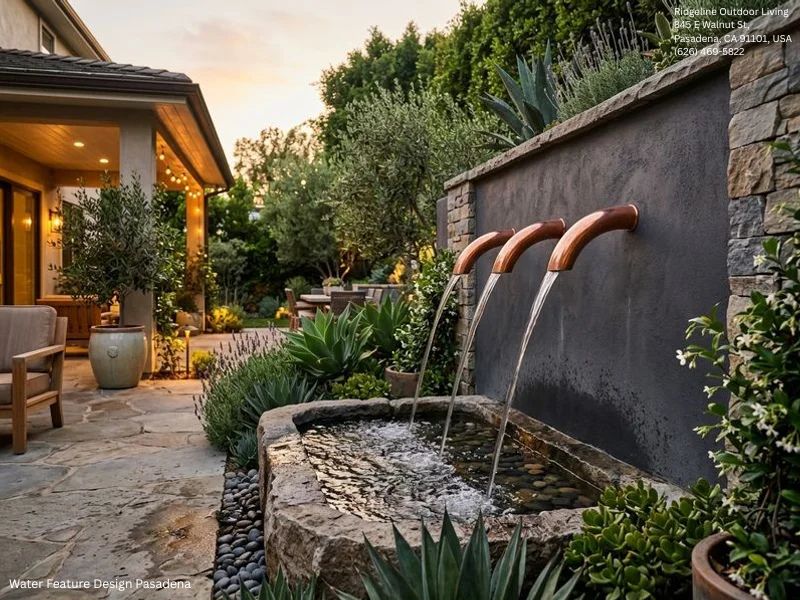
What defines a material as sustainable in landscape construction?
Materials considered sustainable are those that are renewable, recycled, biodegradable, locally sourced, and have minimal environmental impact throughout their production, use, and disposal phases.
Can recycled plastic lumber be as long-lasting as traditional wood for decking?
Yes, recycled plastic lumber is designed to be highly durable, resistant to rot, insects, and weathering, commonly needing fewer maintenance than traditional wood decking.
How do permeable pavers contribute in sustainable landscaping?
Permeable pavers allow rainwater to infiltrate into the soil below, decreasing surface runoff, cutting down on flood risks, and promoting natural groundwater recharge processes.
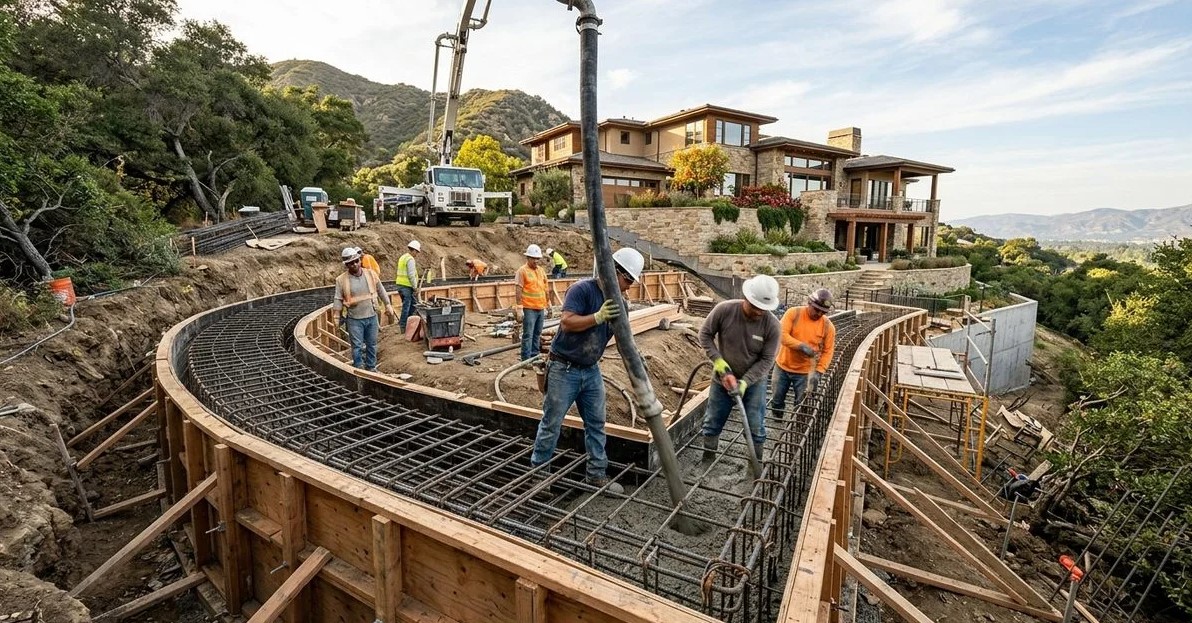
What is xeriscaping and how does it foster sustainability?
Xeriscaping entails designing landscapes with drought-tolerant plants and efficient irrigation practices, greatly reducing water consumption and encouraging climate resilience.
Are green roofs viewed as sustainable landscape elements?
Yes, green roofs deliver insulation, reduce urban heat islands, manage stormwater runoff, and improve air quality, thus making them sustainable components of landscape design.
How does utilizing native plants support habitat restoration?
Native plants assist local wildlife by providing appropriate food sources and shelter, aiding maintain ecosystem balance and encouraging biodiversity.
What certifications signify sustainable landscaping practices?
Certifications like LEED, SITES, and other green building standards validate adherence to sustainable landscaping guidelines, assuring environmental performance and resource efficiency.
Ridgeline Outdoor Living
Ridgeline Outdoor Living is a Pasadena-based landscape design-build company serving Greater Los Angeles with custom outdoor living, hardscape, and drought-tolerant landscape solutions. The company specializes in patios, retaining walls, outdoor kitchens, drainage, hillside projects, and turnkey landscape construction, handling projects from design and permitting through final build and warranty.
Address:
845 E Walnut St,
Pasadena,
CA
91101,
United States
Phone: (626) 469-5822
Map: View on Google Maps
Business Hours:
- Monday – Saturday: 8:00 AM – 6:00 PM
- Sunday: Closed
Follow Us: